China Top Orthopedic Surgical Innovation Advancements and Future Prospects?
The field of orthopedic surgical innovation is rapidly evolving. In China, advances in technology and techniques are reshaping patient care. According to a report by Frost & Sullivan, the orthopedic market in China is expected to reach USD 24.4 billion by 2025. This figure highlights the increasing investment in research and development.
New surgical tools and methods improve precision and recovery times. Robotics and minimally invasive techniques are at the forefront of this transformation. However, challenges remain. The integration of these innovations into clinical practice often faces hurdles, such as training and cost.
Moreover, while innovations promise enhanced outcomes, not all hospitals can equally adopt these changes. This disparity raises questions about equitable access to advanced orthopedic care. The future of orthopedic surgical innovation in China is promising, but must address these critical issues.
Current Landscape of Orthopedic Surgery Innovations in China
The current landscape of orthopedic surgery innovations in China is vibrant and rapidly evolving. Advances in minimally invasive surgical techniques have transformed patient recovery times. Surgeons now perform complex procedures using smaller incisions. This leads to less pain and quicker healing, but not without challenges. Training for these new techniques is essential, yet resources can be limited.
Technological integration plays a significant role in orthopedic advancements. Robotic-assisted surgeries are becoming more common, enhancing precision. Imaging techniques like MRI and 3D printing are reshaping pre-surgical planning. However, accessibility remains an issue, particularly in rural areas. Ensuring that all patients benefit from these innovations is an ongoing concern.
Collaboration between hospitals and tech companies drives much of this progress. However, adapting to new technology can be slow. Surgeons may need time to adjust to these tools. The gap between technology and practice often highlights this struggle. While innovations present new opportunities, they also demand continuous learning and adaptability within the surgical community.
Current Landscape of Orthopedic Surgery Innovations in China
Key Technological Advancements in Orthopedic Surgical Techniques
The field of orthopedic surgery in China has undergone significant advancements in recent years. Innovative techniques are transforming patient care and surgical outcomes. Surgeons are now using minimally invasive methods to reduce recovery times. This shift leads to less trauma for patients and quicker return to daily activities. Robotic-assisted surgeries are becoming more common, enhancing precision during procedures. Surgeons benefit from improved imaging technologies, allowing better pre-operative planning.
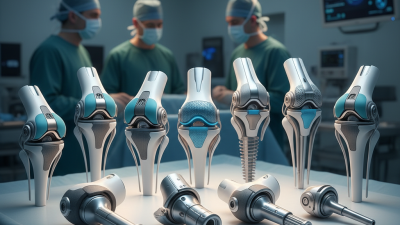
New materials are also changing the landscape. Biodegradable implants and 3D-printed prosthetics allow for customized fittings that better match patients' anatomy. These advancements are exciting but require careful consideration. Some surgeons find that additional training is necessary to adapt to these technologies. The learning curve can be steep, impacting early outcomes. Patient safety should always be a priority, urging the need for ongoing education and protocol updates.
As technology evolves, balancing innovation with traditional techniques is essential. While new tools and methods can improve results, the foundation of orthopedic surgery relies on clinical expertise. Surgeons must reflect on their experiences, integrating new advancements without compromising the quality of care. Striving for excellence means being open to learning, adapting, and improving practices continually.
Impact of Artificial Intelligence on Orthopedic Surgery in China
Artificial Intelligence (AI) is revolutionizing orthopedic surgery in China. By utilizing advanced algorithms, AI enhances accuracy in surgical procedures. This technology aids in preoperative planning and intraoperative navigation, significantly reducing human error. According to a report by the China National Health Commission, over 70% of orthopedic surgeons are adopting AI tools in their practice.
AI's impact extends beyond precision. It streamlines patient diagnosis through predictive analytics, improving treatment outcomes. A study published in the Journal of Orthopedic Research shows that AI-assisted surgeries lead to a 30% reduction in postoperative complications. These data points highlight the growing significance of AI in enhancing surgical effectiveness.
Tips: Embrace AI in clinical practice. Regular training on these technologies is essential for optimal integration. Evaluate the effects of AI on individual surgical outcomes continuously. Reflect on areas needing improvement. Earlier adoption is a step towards better patient care. The future of orthopedic surgery relies on blending human expertise with AI innovation.
Emerging Trends in Regenerative Medicine for Orthopedic Applications
Regenerative medicine is transforming orthopedic applications in China. Innovative techniques are replacing traditional methods. These advances increase healing speed and improve recovery outcomes. For example, stem cell therapy is gaining traction. It shows promise in repairing cartilage and accelerating bone regrowth.
Tissue engineering is another progressive area. Researchers are creating scaffolds to support cell growth in damaged joints. This approach enables the body to heal itself more effectively. However, there are still challenges. Ensuring the long-term success of these methods remains a key concern.
Clinical trials are vital for understanding these technologies. They help assess effectiveness and safety. Feedback from patients will guide future developments. The integration of regenerative medicine into mainstream orthopedic practices is a hopeful prospect, but ongoing research and reflection are essential.
Future Prospects and Challenges for China's Orthopedic Surgery Innovations
The future of orthopedic surgery in China is full of promise, but challenges remain. Innovations in surgical techniques and technologies have the potential to transform patient outcomes. Surgeons are increasingly adopting minimally invasive procedures, which offer quicker recovery times. These advancements rely heavily on robotics and AI, improving precision during operations. However, integration into traditional practices may face resistance from some medical professionals.
Despite the rapid advancements, some roadblocks hinder progress. Access to comprehensive training for surgeons is limited. Not all regions in China offer equal opportunities for skill enhancement. This disparity can affect the overall standard of care delivered to patients. Additionally, regulatory factors and funding for new technologies often complicate the innovation landscape.
As the field evolves, collaboration among industry stakeholders is crucial. Universities and hospitals must work together to challenge outdated practices. Open dialogue about best practices can pave the way for improved surgical techniques. The orthopedic community must remain agile, adapting to ongoing developments and addressing the needs of patients. Sustainable growth will require constant reflection on existing strategies while pushing the boundaries of innovation.
China Top Orthopedic Surgical Innovation Advancements and Future Prospects
| Innovation Area |
Key Developments |
Future Prospects |
Challenges |
| Robotic Surgery |
Advanced robotic systems for precision in joint replacements |
Increased adoption in hospitals, improved patient outcomes |
High initial costs, training requirements |
| 3D Printing |
Custom implants and surgical tools |
Personalized solutions for patients, faster turnaround |
Regulatory hurdles, material limitations |
| Telemedicine |
Remote consultations and monitoring for postoperative care |
Expanded access to specialists, improved follow-up care |
Connectivity issues in rural areas |
| Artificial Intelligence |
Data analysis for predicting surgical outcomes |
Enhanced decision-making, patient safety |
Data privacy concerns, integration into existing systems |
| Minimally Invasive Techniques |
Techniques reducing recovery time and complications |
Broader application across different surgeries |
Need for specialized training and expertise |