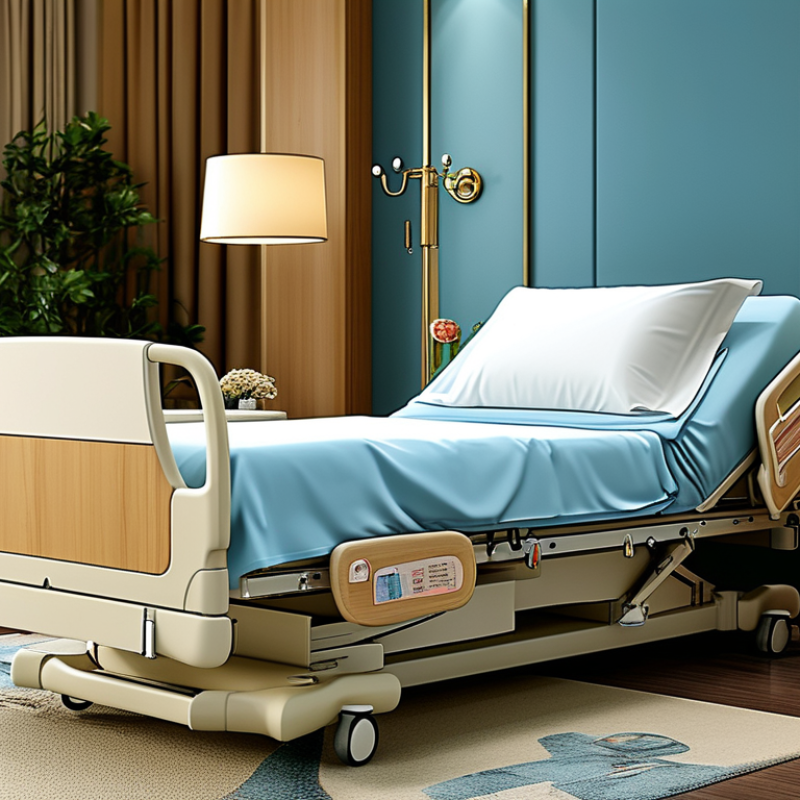
How to Choose the Best Hospital Bed for Your Needs?
Choosing the right hospital bed is crucial for comfort and recovery. A suitable bed can make a significant difference in the healing process. Beds vary in features, size, and types, which can be overwhelming.
Understanding your specific needs is essential. Do you require special features for mobility or medical conditions? Considerations like adjustable height and support zones can enhance comfort. These elements contribute to better health outcomes.
Evaluating options can be daunting. Research is vital to find reliable brands. Speak with healthcare professionals to gain their insights. Always focus on what best suits your situation and be prepared to adjust your choices as new needs arise.
Understanding Different Types of Hospital Beds Available in the Market
Choosing the right hospital bed involves understanding the types available on the market. There are various types, each tailored to specific needs. Manual beds are often the most affordable option. They require caregivers to adjust the height and position. These beds are suitable for patients with limited mobility.
Electric hospital beds are a popular choice. They allow patients to adjust their position with a remote control. An industry report indicates that these beds enhance patient comfort and reduce caregiver strain. Research shows that electric beds can help prevent pressure ulcers by promoting better circulation.
Adjustable beds offer additional flexibility. They often come with features like side rails and built-in storage. As the demand for home healthcare increases, the need for these beds grows. Data from health organizations suggest that approximately 30% of patients prefer home recovery. Understanding these different types helps in selecting the best option for individual patient needs.
Evaluating Key Features: Adjustability, Weight Capacity, and Size
When selecting a hospital bed, it's essential to consider adjustability, weight capacity, and size. Adjustability is crucial for comfort. It allows for changes in the head and foot sections. A report from the Hospital Bed Manufacturers Association states that 80% of patients prefer beds that can be easily repositioned.
Weight capacity is another vital factor. Many standard hospital beds can support up to 350 pounds, but some models accommodate up to 600 pounds. Understanding the patient's needs is key. Overweight patients may require specialized beds to ensure safety and comfort.
Size matters too. Standard beds are typically 36 inches wide, but some patients need wider options. Assessing the room size is essential. There should be enough space for caregivers to assist.
Tip: Always measure the space before choosing a bed.
Some individuals may find it challenging to choose an appropriate model. They might overlook specific features. It's important to reflect on what best suits individual needs. Evaluate your specific requirements well before making a decision.
Tip: Consult with medical professionals for personalized recommendations.
Assessing Specific Needs: Temporary vs. Long-Term Use Considerations
Choosing the right hospital bed is crucial for comfort and care. When considering whether the bed is for temporary or long-term use, specific needs arise. According to a report by the National Center for Health Statistics, nearly 1 in 5 adults over 65 requires some form of home care.
For temporary use, focus on portability and adjustability. A lightweight bed is beneficial for those recovering from surgery or illness. These beds often come with features like height adjustments and foldable designs, making them easier to transport. However, they might lack advanced features that patients with chronic conditions require.
On the other hand, long-term use beds should prioritize durability and support. Beds designed for extensive use often include added features like pressure relief mattresses. According to research published in the Journal of Clinical Nursing, proper bed support can reduce pressure ulcers by 60%. Yet, the potential complexities of these options may overwhelm some caregivers. Understanding individual needs will guide the best choice, ensuring comfort and safety for the user.
How to Choose the Best Hospital Bed for Your Needs?
| Bed Type | Use Case | Features | Price Range | Durability |
| Manual Hospital Bed | Temporary Use | Height adjustable, Basic functions | $200 - $800 | Moderate |
| Electric Hospital Bed | Long-Term Use | Fully electric, Remote control, Adjustable height | $800 - $3,000 | High |
| Low Hospital Bed | Long-Term Use | Lower to the ground, Ideal for fall prevention | $600 - $2,500 | High |
| Bariatric Hospital Bed | Long-Term Use | Reinforced structure, Higher weight capacity | $1,000 - $5,000 | Very High |
| Home Care Bed | Temporary or Long-Term Use | Compact design, Convenient for home use | $300 - $1,500 | Moderate to High |
Budgeting for a Hospital Bed: Costs and Insurance Coverage Options
When budgeting for a hospital bed, it’s crucial to understand the costs involved. Prices for hospital beds can range from $500 to over $3,000. This range often depends on the bed's features, such as adjustable height, weight capacity, and additional accessories. According to the American Hospital Association, many patients may not be aware of all associated costs when upgrading or renting. The choice between purchasing and renting can significantly impact your budget. Renting a bed typically costs between $100 and $300 per month.
Insurance coverage plays a vital role in cost management. Medicare usually covers beds deemed medically necessary, but there are strict criteria. You must have a prescription from a doctor that confirms the need for a hospital bed at home. Coverage may also vary based on your individual policy and provider. Families often experience confusion regarding deductibles and co-pays. Navigating these terms can be overwhelming, leading to unexpected out-of-pocket expenses.
It’s essential to research and consult with health professionals. This process can avoid costly surprises. Not all beds are equal, and price doesn't always guarantee quality. Consider your specific needs and consult reviews or recommendations. Balancing quality and budget may require deeper exploration, but it ensures the best solution for home care.
Budgeting for a Hospital Bed: Estimated Costs and Insurance Coverage Options
Researching and Comparing Brands and Customer Reviews for Reliability
Choosing the right hospital bed can be overwhelming. It’s essential to research brands thoroughly. Consider their reputation and user feedback. Reliable brands often highlight their commitment to patient comfort and safety.
Customer reviews provide valuable insights. Look for patterns in user experiences. A recent industry report suggests that beds with adjustable features significantly enhance patient satisfaction. Yet, many users express frustration with complicated controls. This indicates the need for simplicity in design.
When comparing options, prioritize genuine reviews over marketing claims. Seek out platforms that provide comprehensive comparisons. Pay attention to the materials used in construction, as this impacts durability and comfort. Remember, the right bed can lead to better recovery outcomes.
Tips: Look for beds that offer adjustable height and rails. These features increase safety and accessibility. Always check warranty and return policies before purchasing. Nothing is more frustrating than a product that doesn’t meet your needs.