Joint Pain Treatment Options Every Buyer Needs to Know?
Joint pain affects millions, hindering daily activities. Understanding effective joint pain treatment options is crucial for those suffering. Dr. Lisa Simmons, a renowned rheumatologist, states, “Finding the right approach to manage joint pain can change your life.”
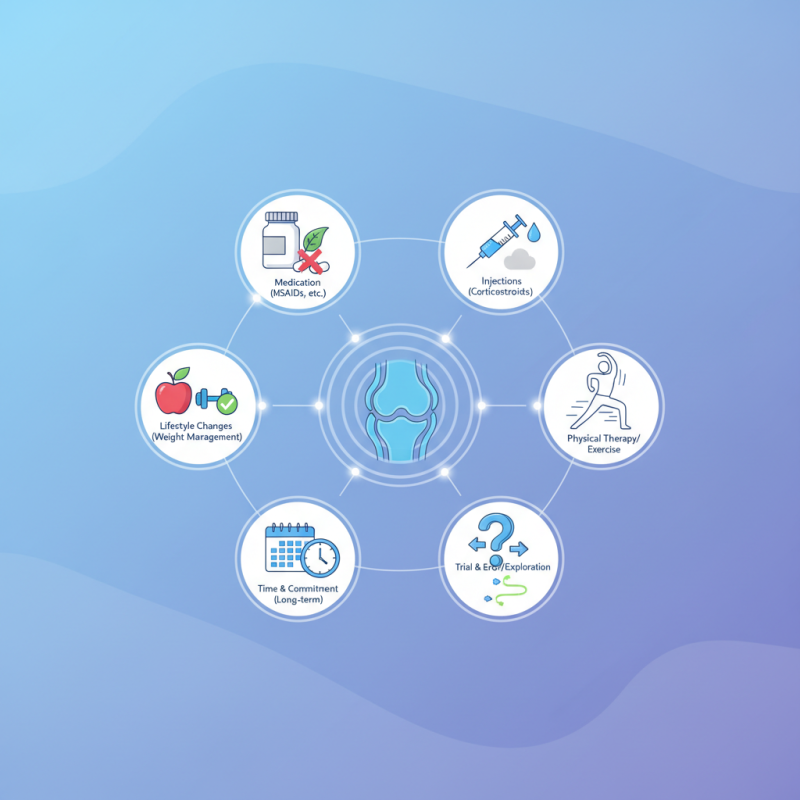
Many treatment options exist, from over-the-counter medications to physical therapy. Patients often face confusion when choosing the best route. Popular treatments include non-steroidal anti-inflammatory drugs (NSAIDs) and corticosteroid injections, which can provide relief. However, these methods may come with side effects and long-term implications.
It’s essential for patients to weigh these options carefully. Lifestyle changes, such as weight management and exercise, can also serve as impactful remedies. Yet, this path requires commitment and may not yield immediate results. Exploring joint pain treatment options is a journey, sometimes filled with trial and error.
Understanding Joint Pain: Common Causes and Symptoms
Joint pain is a common issue that affects many individuals. It can arise from various causes, such as arthritis, injuries, or even daily wear and tear. Understanding these causes helps in addressing the discomfort. Symptoms often include swelling, stiffness, and persistent aches. You might notice that activities become more challenging, especially if pain strikes during movement.
Many ignore their symptoms, thinking they will fade away. This can lead to chronic pain and decreased mobility. It’s essential to recognize and address these signs early. Engaging in gentle exercises may alleviate some discomfort. However, consulting a healthcare professional is crucial for effective treatment. They can provide guidance tailored to your specific needs, ensuring you find relief without risking further injury.
Pain management isn't one-size-fits-all. Some people benefit from physical therapy, while others may explore medication options. It’s important to approach treatment with an open mind and a willingness to adapt. You might need to try several strategies to find what works best for you. Embracing this journey can lead to a more active and pain-free life.
Traditional Treatment Options for Joint Pain Relief
When dealing with joint pain, finding effective treatment options is crucial. Traditional methods provide a foundation for relief and comfort. Common treatments include physical therapy, where targeted exercises strengthen surrounding muscles. This approach can improve mobility, fostering a better quality of life. Medication, such as NSAIDs, offers temporary relief by reducing inflammation. However, it's important to use these under medical supervision due to potential side effects.
Incorporating complementary therapies can enhance traditional methods. Many find acupuncture helpful. This technique aims to balance energy in the body, potentially easing pain. Hot and cold therapies can also be beneficial. Applying heat relaxes stiff joints, while cold packs reduce swelling.
Tips for managing joint pain include staying active, even with low-impact exercises. Yoga or swimming can maintain flexibility. Weight management is vital, as extra pounds add stress to joints. Consider mindfulness practices to cope with pain mentally. It's about listening to your body and adjusting your routine accordingly. Reflecting on your choices may lead to new insights into what helps.
Exploring Alternative Therapies for Joint Pain Management
Joint pain can be challenging to manage, but alternative therapies offer promise. Many people turn to acupuncture as a viable option. This ancient practice involves inserting thin needles into specific points on the body. Studies suggest that acupuncture can reduce pain and improve mobility in joint pain sufferers. However, results can be inconsistent. Each person's experience may vary significantly.
Another alternative to consider is herbal supplements. Ingredients like turmeric and ginger possess anti-inflammatory properties. Research indicates they may help alleviate joint pain. Yet, the effectiveness of these herbs depends on various factors like dosage and individual body chemistry. It’s vital to consult a healthcare professional before starting any supplement regimen.
Mind-body techniques such as yoga and meditation also show potential. These practices promote relaxation and flexibility. They can enhance overall well-being and help cope with pain. However, some might find it challenging to maintain consistency in these practices. Personal motivation plays a key role in their effectiveness. Each individual's journey to managing joint pain is unique, highlighting the need for tailored approaches.
Lifestyle Changes to Support Joint Health and Reduce Pain
Maintaining joint health is crucial for overall mobility and well-being. Making some simple lifestyle changes can significantly reduce pain and enhance flexibility. Incorporating regular, low-impact exercises like swimming or walking can strengthen the muscles around your joints. Stretching before and after workouts improves flexibility, which can prevent injuries. Adequate hydration is essential; it keeps joints lubricated and reduces stiffness.
Diet plays a vital role too. Consuming anti-inflammatory foods is beneficial. Incorporate plenty of fruits, vegetables, and fatty fish like salmon into your meals. These foods can help reduce inflammation and promote joint health. However, it’s essential to avoid excessive processed foods and sugary snacks. They may lead to weight gain, which can put extra stress on your joints.
Mindfulness practices such as yoga or tai chi can also support joint health. They help in improving balance and flexibility while reducing stress. Despite these benefits, it can be challenging to stick to these changes. Forming new habits takes time and dedication. Reflect on your routines and identify areas for improvement. Strive for gradual progress, and don’t be too hard on yourself. Every small step counts in supporting joint health.
Choosing the Right Treatment: Consultations and Professional Advice
When faced with joint pain, it is crucial to seek professional advice. Consulting with healthcare providers can significantly impact treatment outcomes. Research shows that up to 80% of individuals find relief when guided by professionals. They can assess the underlying causes of pain and suggest personalized treatment plans.
Different options exist to alleviate joint discomfort. Physical therapy, for example, is effective in improving mobility. A report from the Arthritis Foundation states that 73% of patients experience a reduction in pain through targeted exercises. Additionally, recommendations from specialists may involve lifestyle changes, dietary adjustments, or even alternative therapies. However, it is essential to recognize that not all treatments work equally for everyone.
It's common for individuals to overlook the importance of tailored approaches. Many opt for general solutions, hoping for quick relief. Yet, the reality is more complex. Statistics reveal that about 30% of patients are unsatisfied with their initial treatments. This highlights the need for ongoing discussions with healthcare providers. Engaging in regular consultations offers valuable insights and adjustments in treatment strategies. Taking the time to evaluate response to treatment can lead to more effective management of joint pain.
Joint Pain Treatment Options: Effectiveness Comparison