Top 10 Arthroplasty Procedures in China What You Need to Know?
Arthroplasty procedures are crucial in addressing joint issues across China. Renowned orthopedic surgeon Dr. Li Wei, an expert in this field, once stated, “Innovative arthroplasty techniques can transform patient recovery.” This statement underscores the importance of evolving methods in surgery.
In recent years, the demand for these procedures has surged. Factors include an aging population and rising sports injuries. However, there remains a gap in patient awareness of these options. Some may hesitate to consider surgery, fearing complications or recovery time. It’s essential to address these concerns candidly.
The landscape of arthroplasty procedures is ever-changing, with new technologies emerging. Yet, challenges persist in terms of accessibility and patient education. Understanding the intricacies of these procedures can enhance patient outcomes. By acknowledging both the advancements and the hurdles, we can foster a more informed approach to joint health in China.
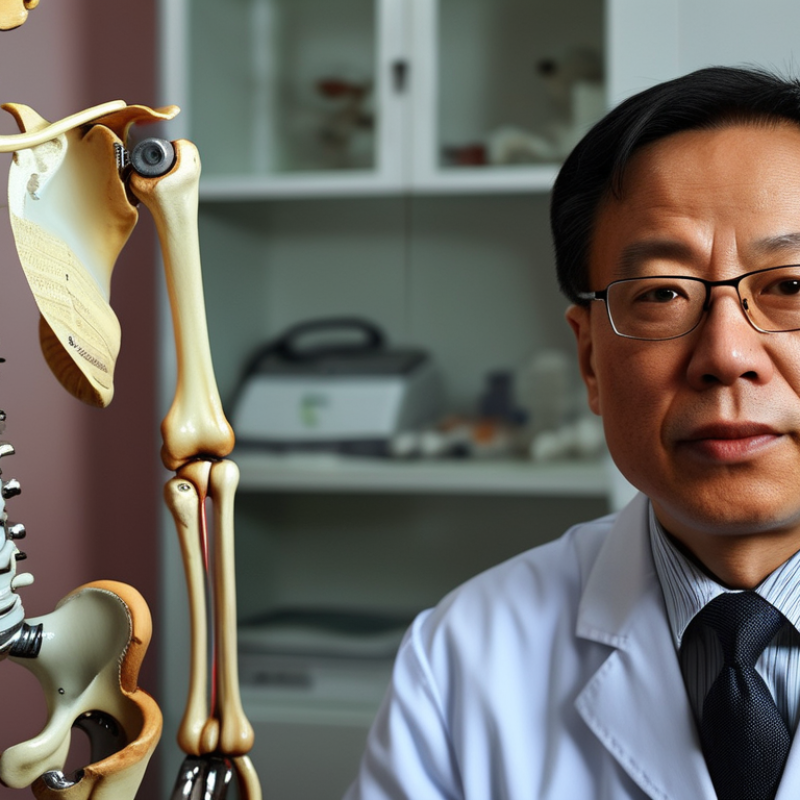
Overview of Arthroplasty Procedures in China
Arthroplasty procedures are gaining traction in China, offering relief for patients suffering from joint disorders. These surgical interventions range from total hip replacements to partial knee arthroplasties. They aim to restore mobility and reduce pain. Understanding the common procedures is crucial for patients considering this route.
Many patients might feel anxious about the procedure. Open dialogue with your surgeon can alleviate some fears. Ask questions about the recovery process and potential risks. Being informed empowers patients to make better decisions regarding their health.
Understanding the types of arthroplasty available is essential. Total joint replacement is a popular option, especially among older adults. However, not all patients are ideal candidates. Age, overall health, and individual lifestyle can influence the choice of procedure. Personalization of care will improve outcomes, but it requires careful consideration from both patient and doctor.
Top 10 Arthroplasty Procedures in China
Most Common Types of Arthroplasty Performed
Arthroplasty is a common surgical procedure in China. It involves the replacement of damaged joints to reduce pain and improve mobility. The most frequently performed types include knee and hip arthroplasties. Reports show that around 1.7 million joint replacements occur annually in China, reflecting the increasing demand for such procedures.
Knee arthroplasty is particularly prevalent, accounting for about 57% of all total joint replacements. This highlights the significant impact of conditions like osteoarthritis on the aging population.
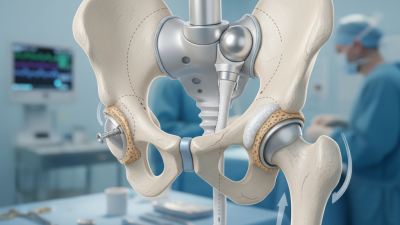
Hip arthroplasties follow closely, comprising roughly 30% of total replacements. Other types, such as shoulder and elbow arthroplasties, though less common, are also critical in improving patients' quality of life.
For those considering arthroplasty, it’s crucial to consult with a qualified orthopedic surgeon. They can provide insights on recovery times and rehabilitation protocols. Understanding the rehabilitation process is vital. It often involves physical therapy to regain strength and mobility post-surgery.
Patients should be aware of potential complications. Some may experience blood clots or infections. Seeking comprehensive preoperative evaluations can help mitigate these risks. Taking proactive measures in lifestyle changes, such as weight management and exercise, may also enhance surgical outcomes.
Factors Influencing the Popularity of Arthroplasty
The popularity of arthroplasty procedures in China is influenced by several key factors. First, the aging population plays a significant role. As people grow older, joint issues become more common. This trend drives demand for joint replacement surgeries, especially in hip and knee areas. Healthcare access also matters. Regions with better healthcare facilities see higher rates of arthroplasty. Urban areas often have more surgeons and advanced technology.
Additionally, cultural attitudes contribute to this trend. Patients in many communities are more open to surgical options now. There is less stigma associated with joint replacement than in the past. However, not all regions share this view. Some still prefer conservative treatments. Awareness and education about the benefits of arthroplasty are essential. Many patients underestimate the importance of timely intervention. Misconceptions can delay surgery and worsen joint conditions.
Finally, the cost factor cannot be ignored. Arthroplasty procedures can be expensive. Insurance coverage and government support vary significantly. Some patients may be unable to afford needed surgeries. This disparity creates a gap in patient access, revealing room for improvement. Overall, as China continues to develop its healthcare framework, addressing these influencing factors can enhance patient outcomes and satisfaction.
Patient Outcomes and Recovery Expectations
Arthroplasty procedures are gaining popularity in China. These surgeries can significantly improve patient outcomes. However, recovery expectations can vary widely. Understanding what to expect helps patients prepare for their journeys.
After surgery, many patients can anticipate early mobility. Most can start walking within a few days. Physical therapy is crucial in this stage. It helps regain strength and range of motion. Yet, complications may arise. Swelling and pain are common. Some individuals may face longer recovery times due to underlying health issues. This reality can be disheartening.
Patients should also know about follow-up care. Regular check-ups allow doctors to monitor healing. Adjustments to rehabilitation plans may be necessary. Communication is key. Each individual’s response to surgery can differ notably. So, remaining patient and adjusting expectations is vital for a successful recovery.
Future Trends in Arthroplasty Techniques and Technologies
Advancements in arthroplasty techniques are shaping the future of orthopedic surgery. Innovative technologies are emerging steadily. These include robotics and AI-assisted surgery, which enhance precision. Surgeons are gaining greater control over operations, minimizing risks.
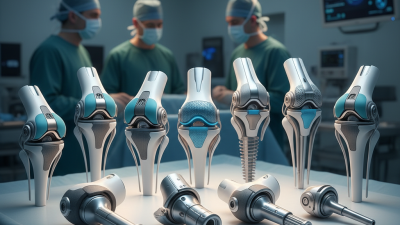
New materials also play a crucial role. Biocompatible materials improve implant longevity. The focus on patient-specific solutions is increasing. Custom implants tailored to individual anatomy show promising results. This personalization can lead to faster recovery times and better outcomes.
Despite these advancements, challenges remain. The cost of integrating new technologies can be high. Training medical professionals in these innovative techniques is vital. The learning curve may slow down implementation. Continuous evaluation of new procedures is necessary to ensure safety and efficacy for all patients.