Why Choose Advanced Orthopedic Implant Technology?

Why Choose Advanced Orthopedic Implant Technology?

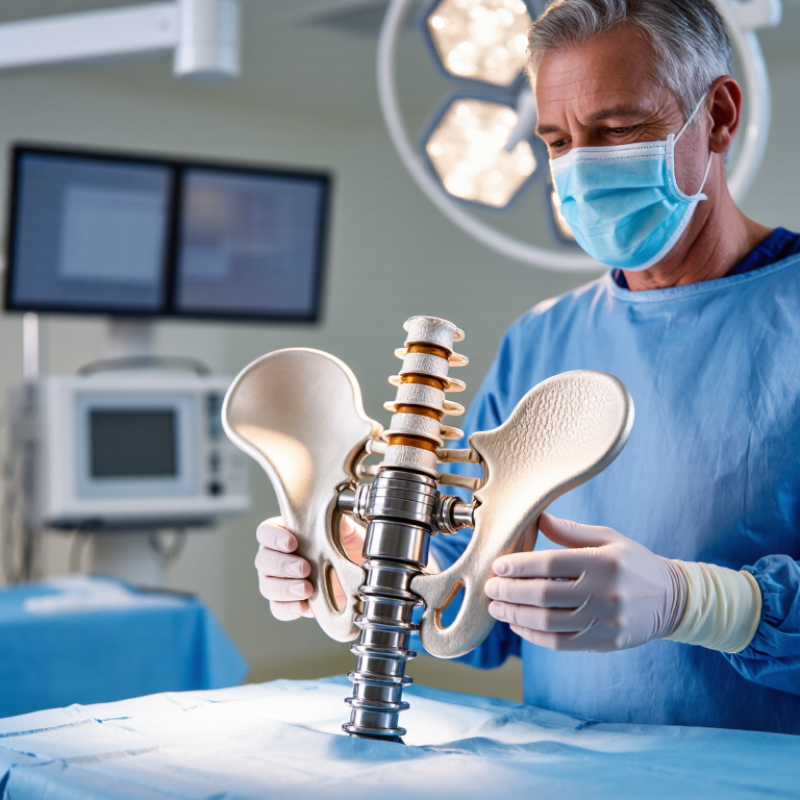
Choosing an orthopedic implant is not simply a matter of selecting the newest device. It involves anatomy, surgical experience, material science, patient expectations, and long-term evidence. Advanced orthopedic implant technology can support more accurate placement, improved joint movement, and better stability during daily activities. Yet technology alone does not guarantee success. The surgeon’s judgment still matters greatly.

Sir John Charnley, a pioneer of modern hip replacement, stated, “The goal of total hip replacement is to relieve pain and restore function.” His principle remains relevant today. A well-designed implant should help a patient walk, climb stairs, and return to ordinary routines with greater confidence. It should not exist merely because it looks innovative. Small details matter, including implant geometry, surface texture, wear resistance, and compatibility with bone.

Evidence matters more than excitement. Clinical studies, transparent safety data, and long-term follow-up help distinguish meaningful progress from marketing language. Patients should also discuss surgical risks, recovery time, implant lifespan, and possible revision procedures with a qualified orthopedic specialist. Some advanced systems may improve precision, but they can also increase costs or require specialized training. That deserves honest reflection.

The best choice is rarely the most complicated one. It is the solution that fits the patient’s anatomy, lifestyle, and medical needs. Careful evaluation creates trust. Better technology helps, but responsible decision-making helps more.
Why Choose Advanced Orthopedic Implant Technology?

Definition and Scope of Advanced Orthopedic Implant Technology

Advanced orthopedic implant technology refers to engineered devices that replace, support, or repair damaged bones and joints.

Its scope includes implant materials, surface design, fixation methods, surgical instruments, and digital planning. Common examples include joint replacements, trauma plates, spinal components, and patient-specific guides.

Modern systems may use titanium alloys, ceramics, or carefully tested polymers. Their designs aim to reduce wear, improve stability, and support natural movement. Surface treatments can encourage bone attachment.

Imaging data may help surgeons plan size, position, and alignment before surgery. In practice, laboratory performance does not guarantee identical patient results. Healing varies. Patient selection matters.

Reliable evaluation requires more than attractive engineering claims. Surgeons review clinical evidence, material safety, sterilization methods, and long-term follow-up data. They also consider bone quality, activity level, allergies, and existing conditions.

From clinical experience, small positioning errors can affect comfort and implant lifespan. That reality deserves honest discussion.

Advanced technology is a broad field, not a single product feature. It connects design decisions with surgical skill, rehabilitation, monitoring, and patient-specific care.

Evolution of Orthopedic Implant Design and Materials

Orthopedic implant design has changed from rigid, one-size-fits-all components to systems shaped around anatomy, movement, and bone quality. Early implants often relied on stainless steel or cobalt-chromium alloys. These materials offered strength, but their stiffness could transfer excessive stress to surrounding bone. Titanium alloys later gained attention because they are lighter and closer to bone in mechanical behavior.

Material science also influenced fixation. Cemented implants can provide immediate stability, while porous metal surfaces encourage bone ingrowth in suitable patients. Advances in ceramic bearings and highly cross-linked polymers have reduced wear in many joint applications. Still, no material is perfect. Ceramics may fracture under unusual conditions, and polymers can produce microscopic debris over time.

Modern design uses imaging, computer modeling, and additive manufacturing to improve fit and surface structure. Surgeons can evaluate implant geometry against a patient’s bone shape before operation. This supports more precise planning, but digital accuracy does not replace clinical judgment. A well-designed implant may still perform poorly if alignment, rehabilitation, or bone health is overlooked.

The field continues to question its own assumptions. Laboratory wear tests cannot reproduce every patient’s daily movement. Long-term evidence matters more than impressive engineering alone. Careful follow-up, transparent reporting, and thoughtful material selection remain essential when choosing advanced orthopedic implant technology.

Core Technologies Used in Modern Orthopedic Implants

Why Choose Advanced Orthopedic Implant Technology?

Modern orthopedic implants combine materials science, biomechanics, and digital planning. Titanium alloys provide strength with relatively low weight. Ceramic surfaces can reduce friction and wear in selected joint applications. Porous coatings encourage bone ingrowth, helping the implant behave more like a stable structural partner. Fit matters. Even a small mismatch can affect movement, loading, and long-term comfort.

Additive manufacturing now supports patient-specific geometries and controlled porous structures. Surgeons may also use three-dimensional imaging and navigation to improve component positioning. These technologies are clinically meaningful, not merely futuristic. The World Health Organization estimates that musculoskeletal conditions affect about 1.71 billion people worldwide, creating a strong need for durable, accessible treatment. However, advanced design cannot replace surgical judgment or rehabilitation.

Registry evidence remains essential. The National Joint Registry’s 21st Annual Report records more than three million joint replacement procedures in England and Wales, supporting large-scale evaluation of implant performance. Such data can reveal revision patterns that short clinical trials miss. I would not call any implant “permanent.” Body weight, activity, bone quality, infection risk, and surgical technique still matter. Material innovation helps, but outcomes remain human and imperfect. Consistent testing, transparent reporting, and long-term follow-up should guide every technology claim.

Clinical Benefits and Patient Outcomes

Advanced orthopedic implant technology can improve clinical care when it matches a patient’s anatomy, diagnosis, and daily needs. Modern designs may support better joint stability, smoother movement, and more accurate bone alignment. These benefits can reduce discomfort during walking, climbing stairs, or rising from a chair. However, technology is not a shortcut.

Clinical decisions should follow imaging, physical examinations, medical history, and the surgeon’s experience. Computer-assisted planning can help surgeons prepare implant size and positioning with greater precision. In some cases, improved materials may reduce wear and support longer implant function. Peer-reviewed evidence and long-term follow-up remain essential. Early results alone can mislead.

Patient outcomes also depend on rehabilitation, nutrition, muscle strength, and realistic expectations. A patient may leave the hospital walking with support, then progress through guided exercises over several weeks. Some recover quickly. Others need more time. Pain, stiffness, or limited movement may still occur, even after technically successful surgery. Regular follow-up helps identify infection, loosening, alignment concerns, or delayed healing before problems become more serious. The best outcome combines sound engineering, careful clinical judgment, and active patient participation.

Factors for Evaluating Advanced Orthopedic Implants

Why Choose Advanced Orthopedic Implant Technology?

Factors for Evaluating Advanced Orthopedic Implants

Evaluating an advanced orthopedic implant requires more than reviewing its appearance or material. Surgeons should examine clinical evidence, mechanical strength, and compatibility with the patient’s anatomy. A detailed CT scan may reveal bone loss that standard measurements miss. Bone density, activity level, age, and expected recovery should also guide the decision.

Material performance matters during everyday movement. An implant must tolerate repeated loading without excessive wear or deformation. Surface design can influence bone attachment, but laboratory results do not always predict real clinical outcomes. Look for independently reviewed studies, meaningful follow-up periods, and clearly reported complications. Short-term success is useful, but it is not enough.

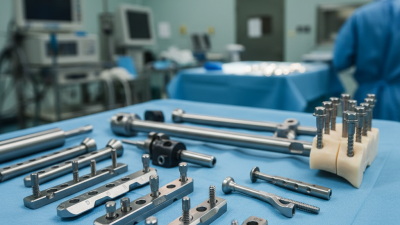
Surgical practicality deserves equal attention. Instruments should support accurate positioning, smooth handling, and reliable sterilization. Traceable manufacturing records can strengthen quality control. Patient-specific planning may improve fit, yet it can also increase cost and preparation time. That trade-off needs honest discussion.

No implant is perfect.

Clinicians should explain realistic benefits, limitations, revision risks, and recovery demands. Patient feedback can expose problems that technical testing overlooks, such as discomfort during stairs or difficulty returning to work. A thoughtful evaluation also considers the surgeon’s training and the hospital’s follow-up capacity. Advanced technology is valuable only when evidence, surgical skill, and patient needs align. Even experienced teams may need to reconsider their assumptions when outcomes differ from expectations.

Why Choose Advanced Orthopedic Implant Technology?

Factors for Evaluating Advanced Orthopedic Implants

Elastic modulus is an important consideration because a large mismatch between an implant and surrounding bone may contribute to stress shielding. PEEK has a modulus closer to bone, while titanium and cobalt-chromium alloys provide high strength and fatigue resistance. Material selection should also consider fixation, corrosion resistance, wear, imaging compatibility, sterilization, and long-term clinical performance.

Representative values: cortical bone approximately 7–30 GPa, PEEK approximately 3.2–3.8 GPa, titanium alloy approximately 110 GPa, and cobalt-chromium alloy approximately 210–230 GPa. Actual values vary with composition, processing, porosity, and test method.

Scroll to Top