Choosing among the 2026 best orthopedic mobility restoration devices means matching a tool to a person, not chasing a ranking. Needs vary after joint replacement, fracture, stroke, or progressive weakness. A lightweight walker may steady a hallway turn; a fitted knee brace may support a painful step. Some patients need structured rehabilitation rather than another device. Small details matter.
Orthopedic surgeon Dr. James Andrews is often associated with the reminder, “The best surgery is the one you don’t have.” That principle is not a device recommendation, but it encourages careful assessment before choosing an intervention. This guide compares braces, walkers, canes, continuous passive motion machines, and emerging wearable systems. It considers comfort, fit, adjustability, maintenance, and the evidence behind each option. A device can look advanced and still be wrong for a person’s goals. That is easy to overlook.
The right choice depends on diagnosis, balance, strength, home layout, and clinician guidance. Ask how a device should be fitted, cleaned, and used during daily activity. Check whether it supports recovery or merely makes movement feel safer. The answer may change over time. Real progress can be uneven. Some recommendations remain uncertain, and individual results differ. Treat this overview as a starting point for a discussion with a qualified healthcare professional, not a substitute for personalized assessment.
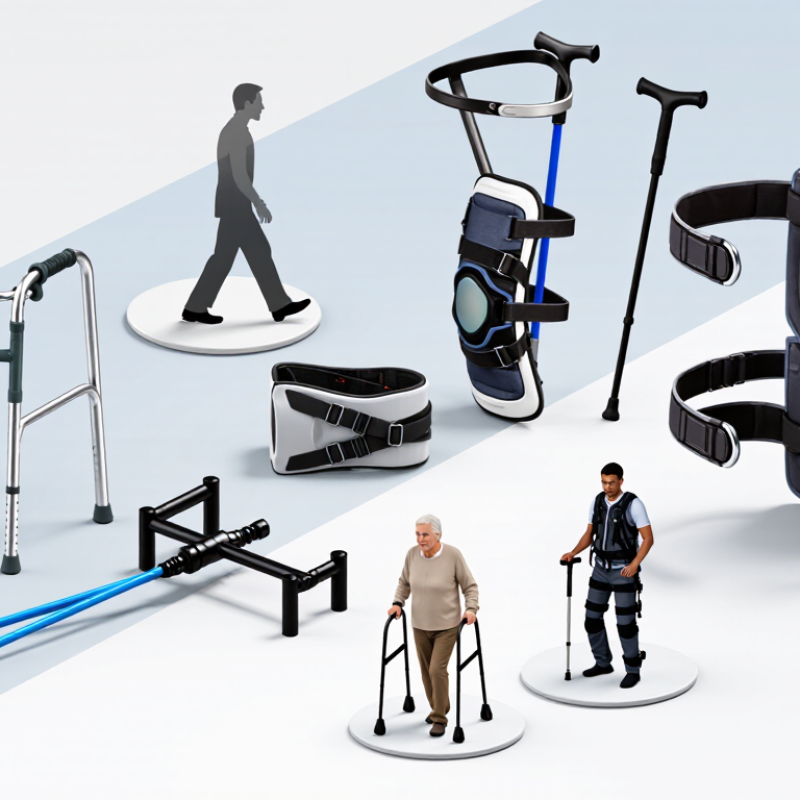
Orthopedic mobility restoration devices help people move when injury, surgery, disease, or limb differences affect strength or stability. They include braces and orthoses, prostheses, walkers, crutches, and wheelchairs. The aim is not always to recreate “normal” movement. Often, a device reduces strain, supports a joint, or makes a daily task safer.
Different devices work in different ways. A knee brace can limit painful motion and spread pressure around an injured area. An ankle-foot orthosis can steady the foot during a step, while a prosthesis provides structural support and a surface for transferring body weight. Walkers and crutches shift some load from the legs to the arms; wheelchairs provide seated mobility when walking is difficult or unsafe.
Fit matters. Comfort, skin condition, balance, and the user’s environment can all affect whether a device works well. A technically suitable device may still be hard to use on stairs or uneven pavement.
The World Health Organization’s 2022 Global Report on Assistive Technology estimates that 2.5 billion people need one or more assistive products, and nearly one billion lack access. These figures cover assistive products broadly, not orthopedic devices alone, but they show the scale of unmet mobility needs.
Selection and adjustment should be guided by qualified rehabilitation professionals, with follow-up as strength and function change. A small pressure point can become a real problem. Devices can help, but they do not replace training, reassessment, or attention to the person’s goals.
Mobility devices serve different needs. Canes and walkers add balance and support during everyday walking. Ankle-foot orthoses can help stabilize a weak foot or ankle, while knee braces limit unwanted movement. Prostheses replace a missing limb; wheelchairs provide another way to move when walking is difficult or unsafe. Powered exoskeletons may support stepping practice in selected rehabilitation settings, but they are not suitable for everyone. Fit matters. A poorly adjusted device can rub skin, change posture, or make movement less steady. Assessment by a qualified rehabilitation professional helps match the device to strength, balance, surroundings, and goals.
The need is substantial. The World Health Organization’s 2022 Global Report on Assistive Technology estimates that 2.5 billion people need at least one assistive product; that number may reach 3.5 billion by 2050. The figure covers more than mobility devices, but it shows why access and fitting deserve attention. A device alone rarely restores function. Training, follow-up adjustments, and home details—such as stairs, narrow doorways, or slippery floors—can shape whether it is useful. Evidence and individual results vary. A category chart cannot capture that difference, and choosing by appearance or price alone may miss the real need.
Orthopedic mobility devices serve different conditions and rehabilitation goals. After a knee or hip operation, a walker can reduce balance demands while strength and confidence return. A cane may help with mild weakness or joint pain; when used for one-sided leg symptoms, it is commonly held opposite the affected leg. Fit matters. The handle should sit near wrist height when standing, with the elbow slightly bent.
For ankle instability, foot drop, or some nerve-related conditions, an ankle-foot orthosis can support foot position during walking. A knee brace may limit unwanted motion or provide support after certain injuries, but brace design depends on the diagnosis and treatment plan. Crutches can protect a healing leg from excess weight, yet poor sizing may strain the hands or shoulders. Small steps count.
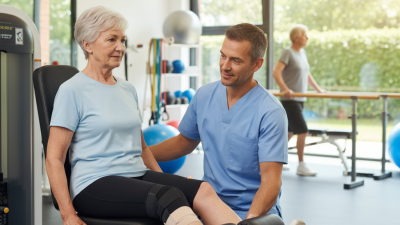
Rehabilitation goals may include safer transfers, steadier walking, or gradually bearing more weight. A continuous passive motion machine may be prescribed after selected procedures, but it is not necessary for every patient and does not replace active, clinician-guided exercise. Device choice should account for pain, skin sensation, home layout, and fall risk. A device can feel awkward at first; that alone does not prove it is unsuitable. Persistent rubbing, new pain, or repeated near-falls deserve prompt review by a qualified clinician.
Choosing an orthopedic mobility device starts with the movement a patient needs to regain, not the device’s feature list. A cane may help with mild balance concerns, while a walker can offer a broader support base. Braces or other supports may suit specific joint or limb needs, but fit and diagnosis matter. Small details matter. Consider whether the patient can grip the handles, turn in a narrow hallway, manage a curb, and use the device without worsening pain. Check skin for pressure or redness after use, especially when sensation is reduced.
Evidence should match the intended use. Ask a clinician whether studies or guidelines support the device for this condition, and what improvement is realistic. Useful measures include walking distance, transfer ability, pain during activity, and falls—not simply how advanced a device appears. A supervised trial can reveal problems that a brochure misses. For example, a device that works in a clinic may be awkward beside a bed or on a wet entryway. Reassess as strength, balance, swelling, and confidence change. There is no perfect choice. Evidence may be limited for some devices, and individual response can differ. A qualified rehabilitation professional can help weigh those uncertainties with the patient’s goals and daily environment.
How to Choose a Device Based on Patient Needs and Evidence
This chart is a qualitative guide to typical device–need matching, not a clinical trial comparison or a validated scoring tool. Cane, crutches, and walkers may support walking when appropriate; wheelchairs provide mobility without walking. The safest choice depends on balance, strength, environment, and prescribed weight-bearing limits. A physician or physical or occupational therapist should assess individual needs.
A safe mobility device should match the user, the task, and the spaces they move through. The World Health Organization’s 2022 Global Report on Assistive Technology estimates that 2.5 billion people need assistive products, while nearly one billion lack access. The figures underline why choosing a device is only part of the job. A clinician or trained fitter can check height, posture, weight limits, and transfer needs. A cane set too high or a walker that catches on a doorway may create new hazards. Even a careful fitting can feel awkward at first. Recheck it.
Tips: Test the device on the user’s usual routes, including thresholds, wet bathroom floors, and the path beside the bed. Keep feet flat when standing with a cane or walker, and ask a qualified professional to confirm handle height. Check brakes, wheels, grips, and fasteners regularly; inspect batteries and charging cables where applicable. Follow the manufacturer’s care instructions. Small details matter.
Stop using equipment that wobbles, slips, or makes an unfamiliar noise until it has been assessed. Record repairs and note changes in pain, balance, or strength; these details help a clinician review whether the device still fits. Don’t assume a recent purchase guarantees a safe fit. People’s needs change, and maintenance is easy to postpone.
Copyright © 2021 United Orthopedic Corporation All Rights Reserved.
Necessary cookies are absolutely essential for the website to function properly. This category only includes cookies that ensures basic functionalities and security features of the website. These cookies do not store any personal information.
Any cookies that may not be particularly necessary for the website to function and is used specifically to collect user personal data via analytics, ads, other embedded contents are termed as non-necessary cookies. It is mandatory to procure user consent prior to running these cookies on your website.