What Are the Top Orthopedic Surgical Innovations in 2026?

Orthopedic surgical innovation is moving from impressive demonstrations toward measurable patient benefit. In 2026, surgeons are examining artificial intelligence, robotic navigation, 3D-printed implants, and advanced biologic treatments. These tools may improve accuracy. They may also introduce new costs, training demands, and clinical uncertainties.

Orthopedic surgeon Dr. Kevin J. Bozic has said, “Innovation should be judged by the value it creates for patients, not by its novelty.” That principle deserves attention. A robot beside the operating table is not automatically better care. Its value depends on safer positioning, fewer complications, faster recovery, or more predictable results.

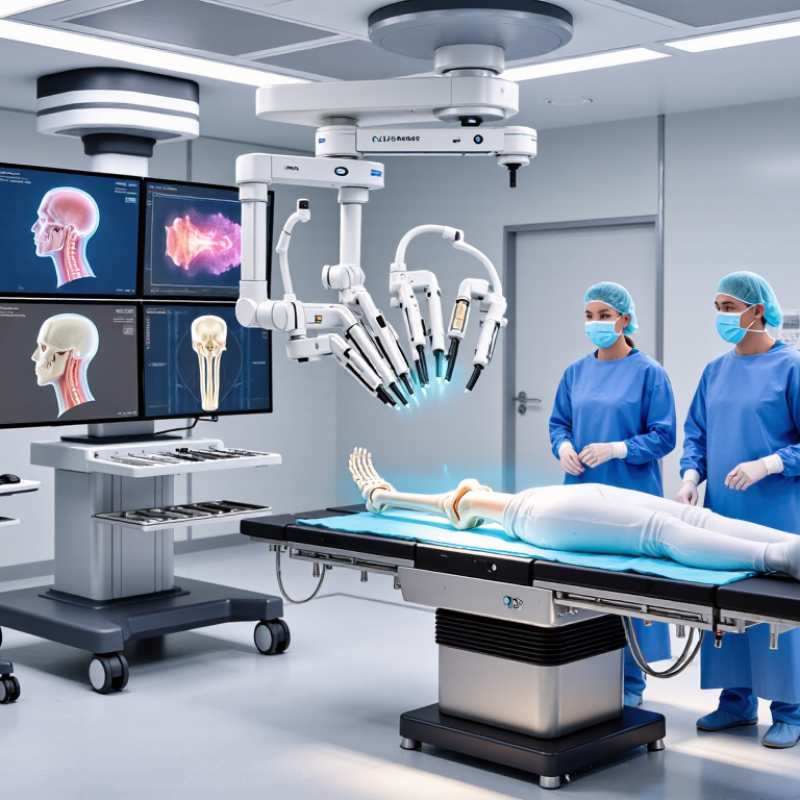
This overview explores the leading technologies shaping modern orthopedic surgery. It considers AI-assisted planning, patient-specific implants, augmented reality, minimally invasive techniques, and smart postoperative monitoring. It also examines the evidence behind each development. Some systems offer highly precise visual guidance. Others remain early-stage and require longer follow-up.

The patient experience remains central. A knee implant should fit real anatomy, not merely produce attractive software images. A navigation platform should reduce uncertainty without slowing urgent decisions. A wearable sensor should reveal meaningful recovery patterns, not generate endless data.

Progress is uneven.

Hospitals differ in equipment, surgeon training, and research support. Early studies can also appear more promising than everyday practice. That limitation matters. The most reliable orthopedic surgical innovation will combine technical precision with clinical judgment, transparent evidence, and careful patient selection. This article reviews what may genuinely improve orthopedic care in 2026—and what still needs stronger proof.
What Are the Top Orthopedic Surgical Innovations in 2026?

What Defines Orthopedic Surgical Innovation in 2026

Orthopedic surgical innovation in 2026 is defined by measurable improvement, not impressive machinery. The World Health Organization reports that musculoskeletal conditions affect about 1.71 billion people worldwide. That burden demands safer procedures, faster recovery, and access beyond major hospitals. Innovation must solve real clinical problems.

Artificial intelligence can support imaging review, surgical planning, and risk prediction. Robotic assistance can improve instrument positioning, but precision alone is not enough. The Lancet’s Global Burden of Disease research shows that low back pain remains a leading cause of disability globally. Therefore, successful innovation should reduce complications, rehabilitation time, and avoidable reoperations. Patient-reported outcomes matter as much as operating-room accuracy. Small gains count.

Three-dimensional planning and patient-specific implants may improve complex reconstruction. Remote monitoring can detect swelling, reduced mobility, or wound concerns after discharge. Yet evidence remains uneven. The U.S. Food and Drug Administration’s 2024 device data show rapid growth in authorized artificial-intelligence-enabled medical devices, but authorization does not prove superior long-term outcomes. Surgeons still need independent trials, transparent algorithms, and training that includes failure scenarios. That part is often underestimated. Cost, digital access, and staff workload also define whether an innovation is genuinely useful. A technically advanced procedure that patients cannot afford, understand, or safely follow is not meaningful progress.

How AI and Robotics Are Transforming Surgical Planning

What Are the Top Orthopedic Surgical Innovations in 2026?

How AI and Robotics Are Transforming Surgical Planning

AI now turns medical scans into patient-specific planning maps. It identifies bone geometry, joint alignment, and possible risks before the incision. Surgeons can rotate a three-dimensional model on screen. They can test implant angles and cutting paths virtually. This makes complex anatomy easier to discuss with patients and operating teams. The plan becomes visual. Yet software can misread poor images or unusual anatomy.

Robotic systems translate approved plans into controlled movements. They may help maintain alignment within narrow surgical targets. During surgery, sensors can report position changes in real time. A surgeon still directs every critical decision. This division matters. Automation supports precision, but it does not replace judgment. Small errors can grow when the original scan is inaccurate.

Reliable workflows require validated data, transparent settings, and independent clinical review. AI predictions should be compared with physical findings during surgery. Teams must explain uncertainty, alternatives, and possible changes to the plan. Early results can look promising, but long-term evidence remains uneven across procedures. Some systems also require significant training and additional operating-room time. The process is not flawless. Better technology is not automatically better care. Some patients may still benefit more from a simpler, well-tested workflow.

Advances in Smart Implants and Biologic Joint Repair

Orthopedic innovation in 2026 is moving beyond stronger metal and longer-lasting plastic. Smart implants can record load, temperature, alignment, and movement inside the joint. This information may reveal abnormal stress before pain becomes severe. The World Health Organization reports that osteoarthritis affects about 528 million people worldwide. That scale makes earlier intervention clinically important, not merely technologically attractive.

Biologic joint repair is also gaining attention. Researchers are combining scaffolds, platelet-derived materials, cell-based approaches, and growth-factor delivery systems. Their goal is to support cartilage repair while preserving native tissue. However, “regenerative” does not always mean restored. Evidence remains uneven, and some studies involve small patient groups or short follow-up periods. The 2023 American Academy of Orthopaedic Surgeons guideline on knee osteoarthritis reflects this caution, noting variable evidence across injectable treatments.

Data from smart implants could improve follow-up after surgery. A clinician might see rising implant temperature or changing load patterns before an X-ray shows a problem. Yet sensors require reliable calibration, secure data handling, and clear clinical thresholds. More information can also create confusion. A 2024 report from MarketsandMarkets projected strong growth in the smart implants sector through 2028, driven by connected monitoring and personalized care. Market growth is not proof of better outcomes. Surgeons still need examination findings, imaging, patient goals, and long-term evidence. The most promising advance may be quieter: using biological repair when suitable, and reserving complex implants for patients who truly need them.

What Are the Top Orthopedic Surgical Innovations in 2026? - Advances in Smart Implants and Biologic Joint Repair

Innovation Primary Orthopedic Use Core Technology or Biologic Principle Clinical Maturity in 2026 Main Potential Benefit Important Limitations
Smart Sensor-Enabled Implants Total knee and hip replacement; fracture fixation Embedded or instrumented sensors estimate load, pressure, motion, temperature, or alignment after implantation. Early clinical use / validation Earlier detection of abnormal loading, infection risk, or implant failure Sensor durability, battery or power constraints, data security, and uncertain reimbursement.
Robotic and Image-Guided Joint Surgery Knee, hip, and selected spine procedures Three-dimensional planning, intraoperative navigation, bone registration, and robotic assistance for implant positioning. Established and expanding More reproducible alignment and component placement Higher capital and training requirements; improved accuracy does not guarantee better long-term outcomes for every patient.
Patient-Specific 3D-Printed Implants Complex bone defects, revision arthroplasty, trauma, and limb reconstruction Computed-tomography-based design with porous titanium or other biocompatible structures that support bone ingrowth. Clinical use in selected cases Improved defect matching and biological fixation Longer design and manufacturing workflows, imaging dependence, and limited evidence for routine use.
AI-Assisted Surgical Planning Preoperative planning for arthroplasty, fracture care, and deformity correction Machine-learning analysis of imaging and clinical data to assist with templating, risk estimation, and personalized alignment plans. Rapidly developing Faster planning and decision support Algorithmic bias, incomplete datasets, explainability concerns, and the need for surgeon oversight.
Meniscus and Cartilage Scaffolds Focal knee cartilage defects and selected meniscal injuries Resorbable or biologically derived scaffolds provide temporary structure for cell attachment and tissue repair. Selective clinical application Potential preservation of native joint tissue Variable integration, limited indications, and inconsistent evidence for preventing osteoarthritis.
Autologous Cell-Based Cartilage Repair Focal articular cartilage lesions in carefully selected patients Patient-derived cartilage cells or progenitor cells are expanded or concentrated and implanted to support repair. Established for selected indications Improved tissue coverage for some focal defects Often requires multiple procedures, rehabilitation, and careful lesion selection; results vary by defect and patient factors.
Platelet-Rich Plasma and Orthobiologic Injections Selected tendinopathies, early knee osteoarthritis, and soft-tissue injuries Concentrated autologous blood components deliver platelets and signaling proteins to the treatment site. Available, but indication-dependent Minimally invasive symptom relief for some patients Preparation methods differ substantially, clinical responses are inconsistent, and structural regeneration is not established.
Osteochondral Allograft and Particulated Graft Repair Large or irregular cartilage-and-bone defects Donor osteochondral tissue or cartilage fragments restore both the joint surface and supporting bone in selected defects. Established in specialized practice Restoration of mature cartilage architecture without total joint replacement Graft availability, matching requirements, immune and incorporation concerns, and technically demanding surgery.
Injectable Hydrogels and Growth-Factor Delivery Experimental cartilage, tendon, and bone regeneration Biodegradable materials are designed to fill defects and release cells, proteins, or other signals in a controlled manner. Research and clinical trials Localized regenerative support with less invasive delivery Dose control, inflammatory reactions, uneven tissue formation, regulatory complexity, and limited long-term human evidence.

Evidence note: Clinical maturity reflects the general status of the technology in orthopedic practice and research; availability and regulatory authorization may vary by country and indication.

New Minimally Invasive Techniques for Bone and Spine Surgery

What Are the Top Orthopedic Surgical Innovations in 2026?

Orthopedic surgery in 2026 is moving toward smaller openings, clearer imaging, and more personalized planning. New minimally invasive techniques can treat selected bone and spine problems through narrow surgical corridors. Through endoscopic portals, surgeons may remove damaged tissue while preserving nearby muscles and ligaments. Advanced navigation can display spinal anatomy in real time, helping guide screws and instruments with greater precision. Smaller incisions may reduce blood loss and shorten early recovery. That distinction matters.

For suitable patients, tubular approaches and endoscopic spine surgery can reduce muscle disruption during decompression procedures. Image-guided systems can also support complex fracture repair, especially when bone fragments are difficult to visualize. However, minimally invasive does not mean risk-free. Limited visibility can increase technical demands, and some conditions still require open surgery. I have seen how careful patient selection often matters more than the size of the incision. Evidence is developing, and impressive equipment cannot replace surgical judgment.

Tips: Ask whether the technique fits your diagnosis, bone quality, and overall health. Request clear information about expected pain, rehabilitation, complications, and conversion to open surgery. Confirm the surgeon’s training and experience with the specific procedure. Bring recent scans and a complete medication list. A second opinion can be useful, even when the proposed incision looks tiny. Recovery is not always quick; stiffness, swelling, and weakness may last longer than expected.

How Personalized Data Is Improving Orthopedic Recovery

What Are the Top Orthopedic Surgical Innovations in 2026?

Personalized data is changing how orthopedic teams plan surgery and monitor recovery. Advanced imaging can map bone shape, joint alignment, and tissue damage with greater detail. Motion sensors can record walking speed, balance, and knee movement at home. These measurements help clinicians adjust rehabilitation instead of relying only on scheduled appointments.

Small changes matter. A patient’s recovery data may show swelling before pain becomes severe. It can also reveal that an exercise is too difficult or poorly performed. Surgeons may combine imaging, medical history, activity levels, and wearable data to create more individual treatment plans. However, data is not a perfect answer. Sensors can be misplaced, and algorithms may misunderstand unusual movement patterns. Clinical judgment remains essential.

Tips: Ask which measurements will guide your care. Keep devices fitted correctly and report discomfort honestly. Record sleep, pain, swelling, and daily activity in simple notes. Do not change exercises without professional advice. Protect your health information, and ask who can access it. Recovery is rarely linear. A missed exercise or slower week does not always indicate failure. More careful follow-up may be needed when data and symptoms disagree.

How Personalized Data Can Improve Orthopedic Recovery

Personalized recovery platforms combine pain scores, patient-reported function, range-of-motion measurements, walking activity, and wearable data. These clinically meaningful change thresholds help care teams identify whether a patient is improving as expected and adjust rehabilitation earlier.

Reference values: approximately 30% reduction for clinically meaningful pain improvement; 8–10 points for KOOS/HOOS outcomes; and 2–3 PROMIS Physical Function T-score points. Thresholds vary by study, condition, and patient population. Sources: IMMPACT recommendations, KOOS/HOOS outcome literature, and PROMIS HealthMeasures guidance.

Scroll to Top