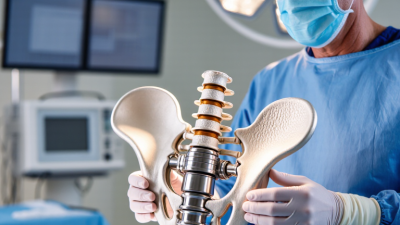
Preparing for hip replacement surgery begins weeks before entering the operating room. The American Academy of Orthopaedic Surgeons reports that more than 300,000 total hip replacements are performed annually in the United States. This high volume does not make every recovery identical. Age, muscle strength, weight, medications, home layout, and existing health conditions can change the experience.
“The healthier you are going into surgery, the better you will do afterward,” says Dr. Daniel J. Berry, an orthopedic surgeon and former Mayo Clinic department chair. His advice sounds simple. It is not always easy. A patient may need to stop smoking, improve blood sugar control, review blood-thinning medicines, and build leg strength safely. Your surgical team must guide these decisions.
The American Joint Replacement Registry’s annual reports also emphasize the value of standardized outcomes and long-term monitoring. Ask your surgeon about infection prevention, blood-clot precautions, anesthesia, expected pain, and warning signs. Write the answers down. Memory becomes unreliable when anxiety rises.
At home, place a firm chair near the bathroom, remove loose rugs, and store daily items between waist and shoulder height. Arrange transportation and several days of practical help. Physical therapy planning matters too. Recovery is rarely perfectly linear; one strong morning may follow a difficult night. That does not automatically indicate failure. Still, unusual swelling, chest pain, fever, wound drainage, or sudden breathlessness requires urgent medical advice. Careful preparation cannot remove every uncertainty, but it can make hip replacement surgery safer, clearer, and more manageable.

Before preparing for hip replacement surgery, confirm that you are a suitable candidate. The American Academy of Orthopaedic Surgeons reports good results in over 90% of patients, including substantial pain relief and improved movement. That figure is encouraging, but it is not a promise. Your diagnosis, bone quality, activity level, weight, and general health all influence recovery.
A recent national joint-replacement registry report found roughly a 3% revision risk within ten years for many primary hip replacements. Results vary by age, implant type, surgical method, and follow-up standards. Ask your surgeon how these factors apply to you. Blood tests, imaging, medication reviews, and heart or lung assessments may be required. Tell the clinical team about diabetes, sleep problems, dental infections, and every supplement you take. Small details matter.
Tips: Practise using a walker before surgery. Arrange a firm chair, raised toilet seat, and clear walking paths at home. Prepare frozen meals and keep daily items waist-high. Follow instructions about fasting and medication changes. Do not stop prescribed medicines without medical advice. Recovery is not always linear; one difficult day does not necessarily signal a complication. However, increasing redness, fever, calf swelling, chest pain, or sudden breathlessness needs urgent medical attention. Even with strong success data, candidacy should be based on an individual assessment, not a headline percentage.
Preparing for hip replacement surgery involves more than arranging transportation home. Your surgical team will review several checks to reduce avoidable risks and plan safer care.
Blood tests may include a complete blood count, kidney function, electrolytes, glucose, and clotting measures when appropriate. Testing can reveal anemia, infection concerns, or conditions needing treatment before surgery. Imaging usually includes hip X-rays to assess joint damage and bone structure. Additional scans may be requested when the diagnosis or surgical plan remains unclear. Bring recent reports if another clinic performed them.
Medication review deserves careful attention. Provide a complete list of prescriptions, pain relievers, vitamins, and herbal supplements. Blood-thinning medicines and diabetes treatments may need temporary adjustment, but never change them without direct instructions. An anesthesia clinician will ask about allergies, previous anesthesia problems, loose teeth, sleep apnea, breathing disease, and alcohol or nicotine use. Be honest, even about details that seem minor.
A practical detail matters.
Confirm when to stop eating and drinking. Ask which medicines to take with a small sip of water. It is easy to underestimate fasting instructions or forget an occasional supplement. Write questions down, because stress can weaken memory. Tell the team about fever, skin wounds, dental infections, or new chest symptoms before arriving. Preoperative plans can change, and that is not necessarily a setback.
How to Prepare for Hip Replacement Surgery
Preparing for hip replacement involves more than arranging the operation. Your recovery begins at home and in your daily routines. Prehabilitation can strengthen the muscles around your hip before surgery. A physical therapist may recommend gentle walking, leg exercises, and breathing practice. These activities should match your pain, mobility, and medical history. More exercise is not always better. I once underestimated how quickly fatigue could affect simple tasks.
Ask your surgical team which medicines to continue or pause. Share every prescription, supplement, and health condition honestly. Practice using crutches or a walker before surgery, if advised. Clear loose rugs and narrow pathways from your main rooms. Place frequently used items between waist and shoulder height. A firm chair with arms can make sitting safer. Small changes matter.
Discharge planning should start before admission. Confirm who will drive you home and who can stay nearby. Plan meals, bathing assistance, transportation, and follow-up visits. Keep ice packs, prescribed medicines, and a phone within easy reach. Learn how to protect the incision and recognize unusual swelling, fever, drainage, or worsening pain. Ask when you should call the care team or seek urgent help. Recovery rarely follows a perfect schedule. Adjustments may be needed.
These typical planning windows show when patients commonly begin key preparation steps before surgery. Individual timelines vary according to medical history, mobility, medications, and the surgical team's instructions.
Typical clinical planning ranges: begin conditioning several weeks before surgery, complete medication and discharge planning in advance, and prepare the home at least one week before the procedure.
Preparing for hip replacement surgery involves more than arranging transport and loose clothing. Fasting instructions protect against stomach contents entering the lungs during anesthesia. The 2023 American Society of Anesthesiologists guideline permits healthy adults to drink clear liquids until two hours before anesthesia or procedural sedation. That timing is specific.
Clear liquids usually include water, pulp-free juice, and plain tea. They do not include milk, smoothies, alcohol, or coffee with cream. Solid food generally requires a longer fasting period, often six to eight hours, depending on the meal and medical instructions. I have seen patients count backward from arrival time instead of anesthesia time. That mistake can create confusion.
Your anesthesiology team may change these limits. Diabetes, severe reflux, kidney disease, pregnancy, obesity, or delayed stomach emptying can require different planning. Medication instructions also vary. If you accidentally drink after the cutoff, report it honestly. Do not hide it to avoid postponement. Safety decisions depend on accurate information. The ASA guideline is evidence-based, but it is not a personal clearance. Written instructions can still be misunderstood, so confirm the exact last-drink time before surgery. Keep the final permitted drink small and clear, not a large bottle swallowed minutes before the deadline.
Preparing for hip replacement involves more than arranging transport and loose clothing. Blood-clot prevention needs a clear plan before admission. NICE recommends offering venous thromboembolism prophylaxis after elective hip replacement, unless bleeding risk outweighs the benefit. Ask your surgical team which option fits your medical history. Plans may include an anticoagulant, a short course followed by aspirin, or mechanical measures such as compression stockings. The exact schedule depends on kidney function, previous clots, bleeding history, and other medicines.
Know the routine before surgery. You may receive instructions about stopping certain medicines, then restarting prevention after the operation. Do not adjust doses yourself. After surgery, nurses may encourage ankle pumps and assisted walking when safe. Keep compression devices positioned correctly. A tight, folded stocking is not harmless; report discomfort, numbness, or skin color changes. Drink fluids as advised, but follow any restrictions.
Watch for warning signs. Sudden breathlessness, chest pain, coughing blood, or faintness needs urgent medical attention. One-sided calf swelling, warmth, or persistent pain also deserves prompt advice. A common planning mistake is assuming movement alone prevents clots. It helps, but it does not replace prescribed prophylaxis. I would write the medication schedule on paper, because pain and anesthesia can make simple instructions surprisingly easy to forget. Tell the team about missed doses, unusual bruising, wound bleeding, or black stools.
Practical preparation points for elective hip replacement, including venous thromboembolism prevention, recovery planning, and warning signs.
| Preparation Dimension | Recommended Action or Data | Timing or Duration | Why It Matters |
|---|---|---|---|
| VTE risk assessment | Ask the surgical team to assess both venous thromboembolism risk and bleeding risk before selecting prophylaxis. | Before surgery and again during the postoperative period when clinically indicated. | Hip replacement increases the risk of deep-vein thrombosis and pulmonary embolism, while preventive medicines can increase bleeding risk. |
| NICE prophylaxis planning | For elective hip replacement, NICE recommends offering VTE prophylaxis when the risk of VTE outweighs the risk of bleeding. Options include a low-molecular-weight heparin regimen, aspirin after an initial low-molecular-weight heparin course, or another recommended anticoagulant option selected by the clinical team. | Planning should be completed before discharge. The total prophylaxis period commonly extends to about 28–35 days, depending on the selected regimen and individual risk. | Clot risk remains elevated after leaving hospital, so prevention may need to continue at home. |
| Medication review | Provide a complete list of prescription medicines, over-the-counter medicines, vitamins, and herbal products. Do not stop anticoagulants, antiplatelet medicines, or anti-inflammatory medicines without specific medical instructions. | Review several days to weeks before surgery, with final instructions provided by the surgical or anaesthesia team. | Some medicines affect bleeding, anaesthesia, kidney function, or interactions with postoperative anticoagulants. |
| Compression stockings | If prescribed, use properly fitted anti-embolism stockings and follow instructions regarding application, removal, skin checks, and washing. | For some elective hip-replacement regimens, NICE advises use until discharge; the clinical team may give different instructions for individual circumstances. | Compression can support venous blood flow when mobility is temporarily reduced. |
| Early mobility | Begin ankle pumps, leg exercises, standing, and walking with assistance as soon as the physiotherapy and surgical teams consider it safe. | Usually starts on the day of surgery or the first postoperative day, then continues regularly during recovery. | Movement helps reduce venous stasis and supports functional recovery. |
| Hydration and circulation | Follow the hospital’s fluid instructions, avoid prolonged sitting, and perform gentle foot and ankle movements during periods of rest. | Throughout the hospital stay and early recovery at home. | Regular movement and appropriate hydration may help reduce contributors to venous stasis, subject to individual fluid restrictions. |
| Home preparation | Arrange help with meals, shopping, transport, bathing, and household tasks. Remove loose rugs and obstacles, and place frequently used items within easy reach. | Complete preparations before admission. | A safer home environment reduces fall risk while strength, balance, and mobility are limited. |
| Equipment planning | Ask whether a walking aid, raised toilet seat, shower equipment, or other adaptive equipment is appropriate for the expected recovery plan. | Confirm before surgery so equipment is available when returning home. | Appropriate equipment can make transfers and daily activities safer and less strenuous. |
| Wound and bleeding monitoring | Follow dressing instructions and report persistent wound bleeding, rapidly increasing swelling, severe bruising, black stools, vomiting blood, or other signs of significant bleeding. | Monitor throughout the period of anticoagulant or antiplatelet treatment. | Early recognition of bleeding is important when clot-prevention medicines are being used. |
| Deep-vein thrombosis warning signs | Seek urgent medical advice for new one-sided calf or thigh swelling, warmth, redness, tenderness, or unexplained leg pain. | Any time after surgery, particularly during the first several weeks of reduced mobility. | These symptoms can indicate a deep-vein thrombosis and require prompt assessment. |
| Pulmonary embolism warning signs | Seek emergency medical help for sudden breathlessness, chest pain that may worsen with breathing, coughing blood, fainting, or a rapid unexplained heartbeat. | Immediately if symptoms occur. | These may indicate a pulmonary embolism, a potentially life-threatening complication of VTE. |
| Follow-up and adherence | Take prophylaxis exactly as prescribed, do not double a missed dose unless instructed, and keep follow-up appointments for wound review, mobility assessment, and medication review. | Throughout the prescribed postoperative course and rehabilitation period. | Correct use and follow-up help balance clot prevention, bleeding safety, and functional recovery. |
Important: The appropriate VTE-prevention method depends on individual factors such as bleeding risk, kidney function, previous VTE, mobility, other medicines, and the type of surgery. Follow the personalized plan provided by the surgical team.
Copyright © 2021 United Orthopedic Corporation All Rights Reserved.
Necessary cookies are absolutely essential for the website to function properly. This category only includes cookies that ensures basic functionalities and security features of the website. These cookies do not store any personal information.
Any cookies that may not be particularly necessary for the website to function and is used specifically to collect user personal data via analytics, ads, other embedded contents are termed as non-necessary cookies. It is mandatory to procure user consent prior to running these cookies on your website.